
Call us today and see how you can benefit from a SECURE O/S!
Be part of the global community who benefit from an Operating System that boots fast, stores no data and gives you access to the systems you need!
Standardise and secure your endpoints with Microsolve’s managed IGEL SecureOS design, deployment and ongoing management, so your people can work reliably from anywhere.
Microsolve designs, deploys and manages IGEL SecureOS for your environment.
This gives you a consistent, locked-down endpoint environment and reduced IT support noise effectively eliminating:
Users get fast, reliable access to AWS WorkSpaces, Azure Virtual Desktop, Microsoft 365 and Citrix, from almost anywhere, while IT teams gain central control and dramatically reduce endpoint risk.
Microsolve wraps IGEL SecureOS in a strategic service that aligns with your security, compliance and sustainability goals.
Supporting organisations across Sydney, regional NSW and throughout Australia

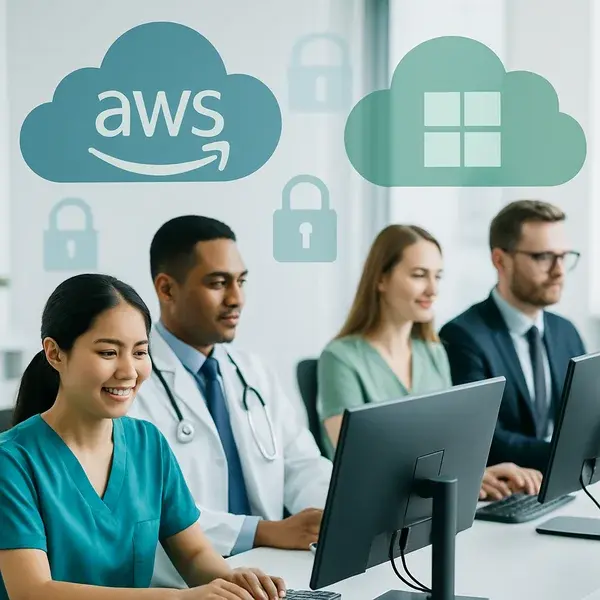
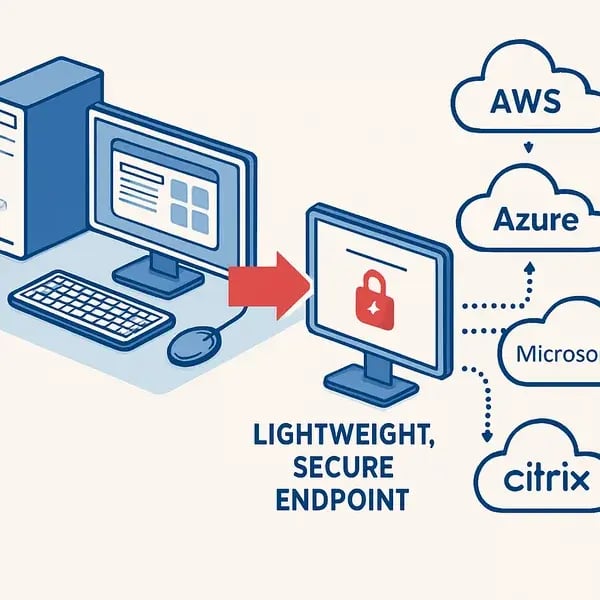
IGEL SecureOS is a locked-down operating system that gives people fast, secure access to cloud services like Amazon WorkSpaces, Azure Virtual Desktop, Microsoft 365 and Citrix.
Instead of running a full Windows setup on every laptop or desktop, IGEL SecureOS provides a stripped-back, read-only endpoint that is stable, centrally managed and built for cloud access - turning every device into a secure thin client for cloud workspaces, rather than a full desktop to manage and protect.
This reduces endpoint weaknesses, keeps the experience consistent for staff, and makes remote work safer because people connect to the same secure workspace from any approved device.
Be part of the global community who benefit from an Operating System that boots fast, stores no data and gives you access to the systems you need!
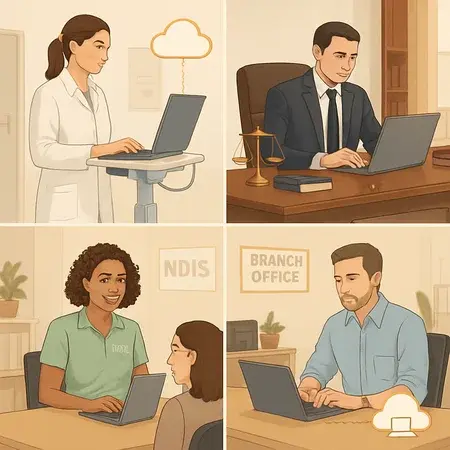
Traditional Windows desktops were never designed for today's cloud-first, multi-site workplaces. Let's explore the key endpoint challenges organisations face today, and how IGEL SecureOS turns them into secure, cloud-optimised experiences.
When every device runs its own version of Windows, with different patch levels and local admin changed over time, security gaps begin to emerge.
Unmanaged or inconsistently managed endpoints become difficult to harden, and a single compromised laptop or desktop can provide attackers with a foothold into your broader environment.
IGEL OS replaces these fragile builds with a read-only operating system that cannot be easily modified or tampered with by users or malware.
Configuration and updates are applied centrally, which narrows the attack surface and significantly improves endpoint resilience, especially for devices used across multiple locations or by rotating staff.
Many organisations have fleets of Windows 10 devices that still perform well from a hardware perspective, but do not meet Windows 11 requirements.
Without a strategy, these devices either become a security risk as support has ended, or they must be replaced early, creating unplanned capital expenditure and e-waste.
With IGEL SecureOS, these same devices can be converted into lightweight, secure thin clients dedicated to accessing AWS WorkSpaces, Azure Virtual Desktop and other cloud or browser based workspaces.
Instead of running a full desktop OS locally, the hardware becomes a reliable thin client access point to virtual desktops and apps, extending device life and avoiding premature (and often un-necessary!) replacement.
Traditional endpoint refresh cycles often involve replacing large numbers of desktops and laptops at once, causing both budget spikes and operational disruption.
Staff need to be migrated, devices reimagined and peripherals tested, which can consume IT resources for months at a time.
By standardising on IGEL OS, organisations move away from constantly rebuilding and replacing endpoints towards centrally controlling them from a single management layer.
Policies, applications and access settings can be pushed out without hands-on visits to every device, reducing the need for large-scale fleet swaps and turning endpoint lifecycle management into a more incremental, predictable process.
In multi-site businesses, clinics or branch networks, users often encounter different desktop images, applications or performance levels depending on where they log in.
This inconsistency can frustrate staff, slow down workflows and complicate support when teams move between locations or work from home.
With IGEL OS delivering a consistent, cloud-based workspace, users see the same interface, applications and access controls wherever they work.
Whether a clinician is at a ward workstation, a lawyer is hot-desking in another office or a staff member is logging in remotely, the endpoint behaves predictably, simplifying training and support while improving productivity.
Keeping traditional desktops current involves ongoing imaging, patching, troubleshooting and break/fix work.
IT Teams may spend a significant portion of their time just keeping endpoints running, leaving less capacity to focus on strategic initiative, security improvements or new services.
IGEL OS endpoints require far less day-to-day maintenance, because the operating system is lightweight, centrally managed and purpose-built for secure cloud access.
This lower-touch model reduces support tickets and break/fix work, while more efficient use of existing hardware and lower device power usage align with your sustainability and energy-reduction goals.

Read-only Linux operating system prevents local tampering and malware persistence
Minimal attack surface for cloud access compared with full desktop builds
Removes the need for continuous Windows patching on endpoints
Reuse existing x86 devices instead of sending them to e-waste
Lower device power usage fits Microsolve's sustainability-driven endpoint strategy
Aligns with cloud providers' renewable energy commitments through AWS and Microsoft
Avoids large, disruptive hardware refresh cycles
Central management significantly reduces IT support overhead
Lightweight footprint delivers better performance on older hardware
Microsolve is a long-term partner for organisations that cannot afford endpoint failures, data loss or constant support noise. The team designs and runs managed endpoint environments every day, bringing together IGEL SecureOS expertise, managed IT services, and a strong focus on cyber security and data protection.
With a local Australian team and support aligned to Sydney and regional NSW time zones, you get fast help from people who understand your environment.
Endpoint management also connects into Microsolve’s wider services, including ongoing managed IT services, cyber security, and data backup and recovery, so your devices, data and cloud services are all looked after together.


How thin clients give staff fast and easy access to critical systems without storing sensitive data on each device.
How sustainable endpoint strategies reduce cost and environmental impact

How Microsolve evaluated thin client platforms and why IGEL SecureOS emerged as a best fit for modern endpoints

Why thin clients and cloud desktops are central to secure, cost-effective modern workplaces
This section answers common questions about IGEL SecureOS, thin client endpoints and how Microsolve manages them for your organisation.
IGEL SecureOS turns new and existing devices into secure access points for cloud desktops and apps, without the overhead of a full Windows build on every endpoint.
These answers focus on security, remote work, lifecycle management and how the service works for organisations across Australia.
IGEL SecureOS is a locked-down operating system that sits on your endpoint and provides secure access to cloud desktops, virtual apps and SaaS services.
Instead of running a full Windows desktop on each device, it acts like a thin client, giving users a simple, consistent way to reach AWS WorkSpaces, Azure Virtual Desktop, Microsoft 365 and Citrix.
IGEL SecureOS runs as a read-only operating system, which means users and malware cannot easily change core files or settings.
Configuration and updates are applied centrally, reducing the attack surface on every endpoint and lowering the risk of a compromised laptop or desktop giving attackers a foothold in your environment.
A thin client is a device that does not run a full desktop locally but instead connects to a central workspace in the cloud or data centre.
With IGEL SecureOS, existing or new devices become secure thin clients that launch straight into services like AWS WorkSpaces, Azure Virtual Desktop or browser-based business apps, with minimal local data and simpler management.
Yes. Microsolve can assess your current fleet and convert suitable Windows 10 or similar devices into IGEL SecureOS endpoints, effectively turning them into thin clients for cloud workspaces.
This can extend device life, reduce e-waste and avoid unplanned capital spend on early hardware replacement.
IGEL SecureOS is well suited to remote and hybrid work because users connect to the same secure workspace from any approved device.
The endpoint stays locked down, while staff get a consistent experience whether they are at home, in the office or moving between sites.
IGEL SecureOS supports both platforms natively, allowing a single endpoint strategy across multiple cloud workspaces.
By reducing existing hardware, reducing power consumption and aligning with cloud platforms that are investing heavily in renewable energy, IGEL SecureOS contributed to a more sustainable IT footprint.
Microsolve designs the standard image, applies security policies and manages updates from a central management layer.
This reduces imaging, patching and break/fix work on individual devices and frees your internal team to focus on strategic initiatives instead of constant endpoint maintenance.
A consistent, centrally managed IGEL SecureOS environment makes it easier to show how endpoints are secured, patched and controlled.
While it is not a complete compliance solution on its own, it supports your broader data protection and cyber security strategies, which are core to meeting Australian regulatory expectations such as Essential Eight.
IGEL SecureOS endpoints sit alongside Microsolve’s managed IT services, cyber security and data backup and recovery, so devices, networks and data are all managed together.
This joined-up approach supports business continuity and reduces the risk of gaps between endpoint management and other critical IT services.
